

What are Tableau reports , and why are they important?
Modern agencies count on appropriate data to check performance, recognize traits, and help working planning. tableau reports can arrange complex organization information into accessible visual summaries, helping clubs realize essential metrics without physically researching numerous data sources. When revealing is provided constantly, employees may invest less time collecting data and more hours interpreting results. That makes structured confirming a significant element of an successful analytics workflow.
How can scheduled reporting help business groups?
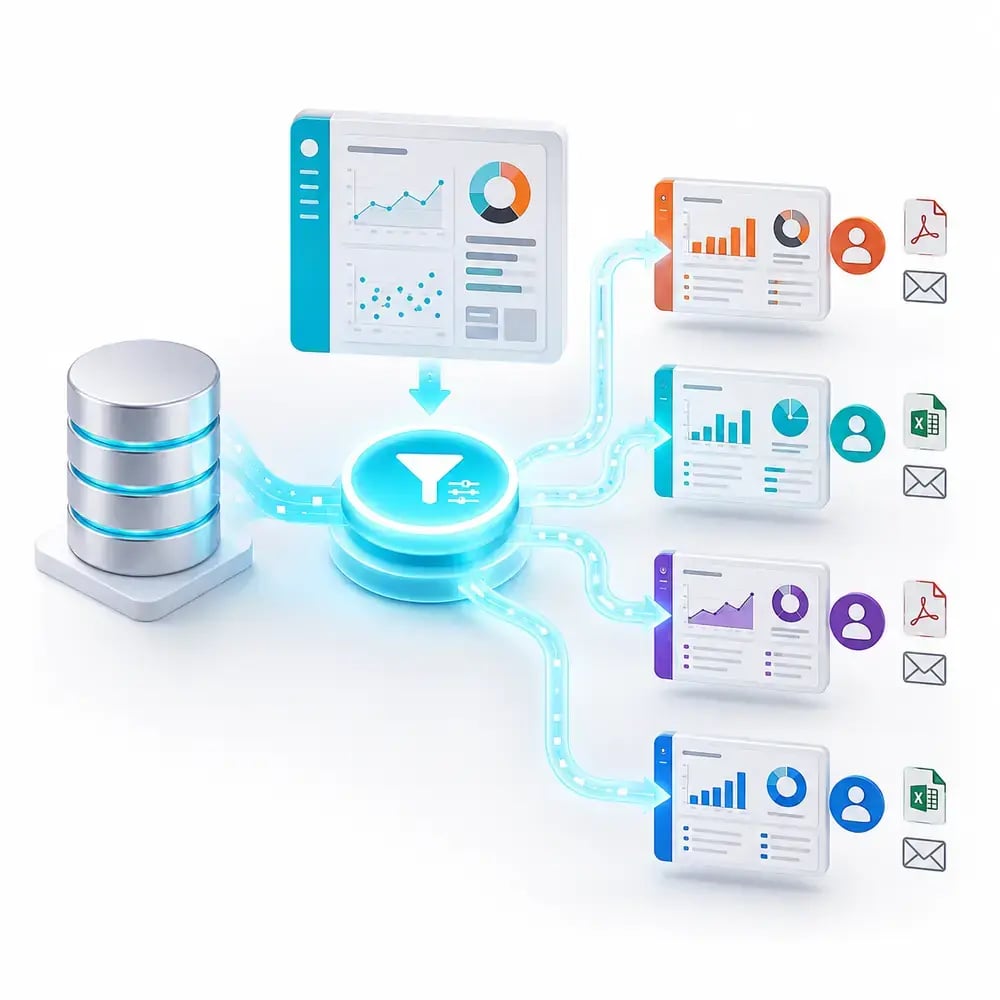
Scheduled confirming creates a repeatable process for releasing data at predetermined intervals. As opposed to requiring workers to remember when a record should be prepared, an automatic workflow can handle repeating delivery. This is specially ideal for organizations that check daily procedures, regular performance, monthly activity, and other repeating indicators. Consistency also helps different departments work from information sent in accordance with an recognized schedule.
What are the main benefits of computerized confirming?
Automation may reduce repeated administrative responsibilities connected with repeating reports. It may also identify larger consistency in when data becomes available. According to popular organization intelligence practices, reporting functions are often considered based on timeliness, accuracy, convenience, and usability. A well-organized arrangement process can subscribe to all these parts by making a predictable approach for distributing appropriate information.
How do planned reports increase production?
Manual record preparation may involve many schedule steps, including finding the correct view, exporting information, preparing readers, and distributing the completed material. Saying these tasks can eat up valuable functioning time. A scheduling strategy may streamline repeated distribution activities, allowing analysts and managers to focus on reviewing tendencies, investigating unusual effects, and making educated functional decisions.
Who are able to take advantage of repeating Tableau revealing?
A wide variety of groups may use scheduled reporting. Revenue departments may possibly monitor efficiency indications, money teams may possibly review continuing economic information, procedures groups may track support activity, and executives may require typical summaries for planning. The actual reporting routine may differ based on company requirements. Some data might need repeated distribution, while different metrics may become more helpful in weekly or monthly formats.
How should companies framework planned reporting?
A strong revealing process starts by identifying which metrics really involve recurring delivery. Organizations must look into the market, revealing volume, knowledge relevance, and preferred supply method. A lot of reports can create pointless data clog, while not enough may keep groups without important updates. Establishing obvious possession and researching schedules occasionally can help in keeping revealing of good use and manageable.
What must organizations contemplate when automating reports ?
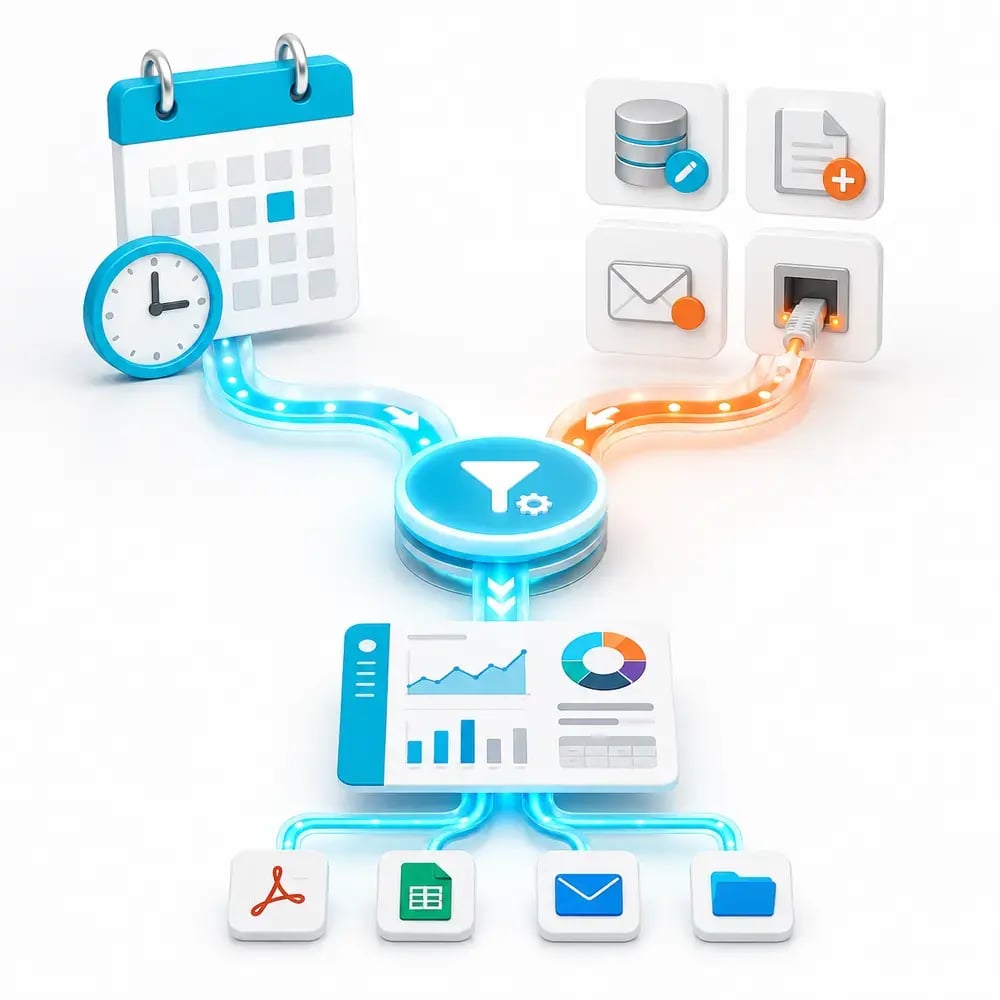
Companies must look closely at knowledge freshness, individual precision, accessibility permissions, and confirming frequency. They need to also evaluation whether each scheduled report continues to function a important business purpose. As organizational goals change, revealing requirements can change as well. Periodic opinions support reduce obsolete or unnecessary reports from outstanding area of the workflow.
Why is reporting reliability valuable with time?
Regular confirming generates a reliable data routine. When stakeholders know when relevant changes may occur, they are able to build them into typical preparing and evaluation activities. With time, this will help greater presence, tougher relationship, and more prepared decision-making. Automatic arrangement thus represents significantly more than convenience; it can become a practical component of a structured data administration strategy.